Welcome to Day 6 of the From Newcomer to Hired Challenge!
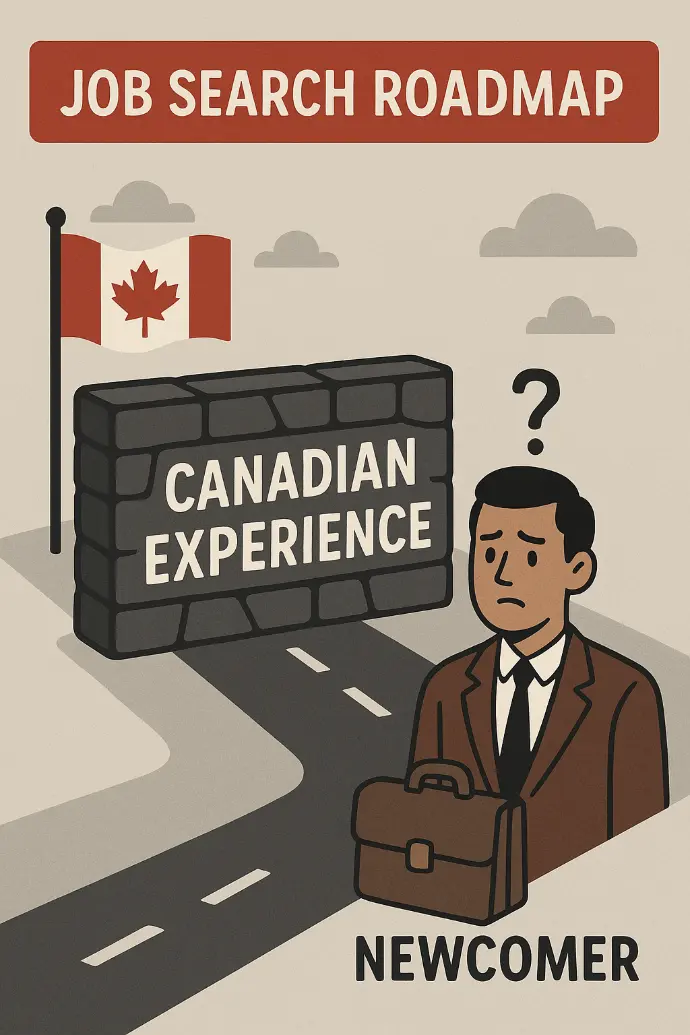
One of the most frustrating phrases a talented newcomer can hear when looking for a job in Canada is: "You don't have Canadian experience." This simple sentence can feel like a dead end, leaving countless skilled professionals wondering if they’ll ever be able to use their talents here. But let’s be clear: a lack of Canadian experience does not mean a lack of ability.
The Myth Behind the Phrase
When employers talk about "Canadian experience," they're often using it as a shortcut for something else entirely. They might be looking for a candidate who is familiar with:
Local workplace culture, including professional etiquette and communication styles.
Industry norms, such as specific regulations, software systems, or business practices.
A trusted local reference who can vouch for your skills and work ethic.
In essence, it’s not about your capability—it's about a perceived risk. Employers want to know you can adapt and thrive in a new environment. But there are many ways to prove that besides having a job in Canada.
The Real Cost for Newcomers
Many skilled immigrants feel pressured to take "survival jobs"—roles in retail, hospitality, or other entry-level positions—just to get "Canadian experience" on their resume. While these jobs are valuable and honorable, they can feel like a step backward and significantly delay your professional career growth. They can also prevent you from building the kind of network and experience that can truly lead to a job in your field.
But here’s the good news: getting a survival job isn’t the only path. You can build credibility and demonstrate your value in other ways.
How to Overcome the Barrier
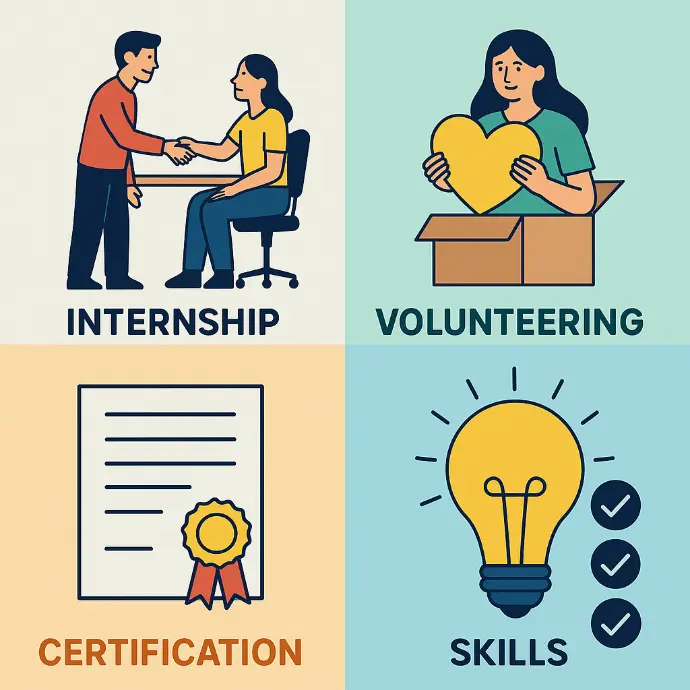
Instead of viewing "Canadian experience" as a wall, think of it as a puzzle to solve. Here’s how you can strategically build your resume and confidence:
Volunteering and Internships:
Gain local experience and references by volunteering for a non-profit or taking on an internship in your field. Even a part-time role can help you learn local practices and build your network.
Certifications and Training:
Earning Canadian-recognized credentials (like PMP, SCMP, or ASCM) can show employers that you’re committed to adapting to Canadian industry standards.
Strategic Storytelling:
Frame your international achievements in a way that Canadian employers can immediately understand and appreciate. For example, instead of saying, “I managed a team in Nigeria,” try saying, “I led a cross-functional team of 12 to deliver a project 15% under budget—skills I’m eager to bring to a Canadian workplace.” This approach focuses on your quantifiable skills, not your location.
Leverage Your Network:
Referrals are powerful. When a trusted employee recommends you, it can help an employer look past the “Canadian experience” checkbox and focus on your skills and potential instead.

Your Action for Today
💬 Challenge Prompt: What survival job did you take when you first arrived in Canada, and what did it teach you? Share your story with us. Your experience might be the inspiration someone else needs to keep going.
Want a Strategy to Overcome the ‘Canadian Experience’ Barrier?
📞 Book your free 15-minute discovery call with me.
Together, we’ll map out how to:
Translate your international experience into Canadian relevance,
Build credibility without waiting years,
Position yourself as a strong candidate now.
👉 Book here: https://calendly.com/cerialprojectsinc/15-minute-meeting-viaphone